
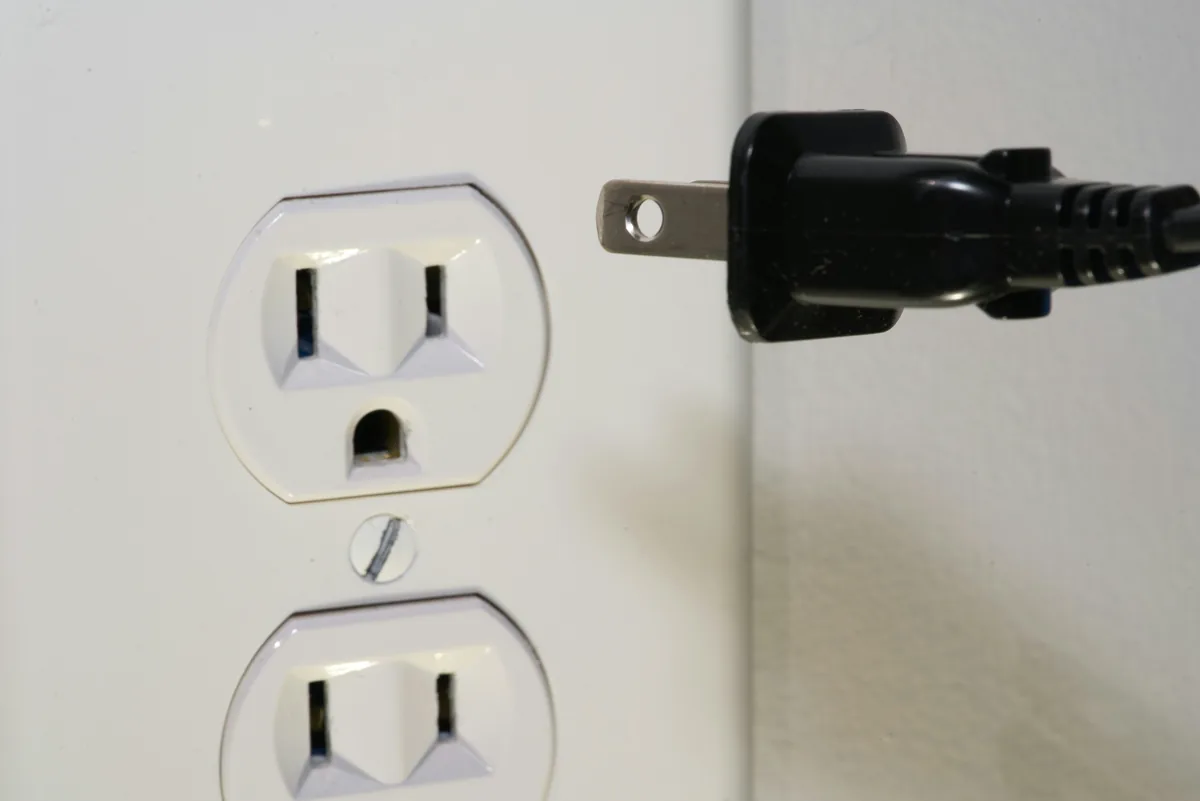
The most useful way to think about AI right now is to compare it to electricity. Electricity was a marvel when it arrived. People paid to watch lights turn on. Within a generation, nobody noticed it anymore; they just flipped a switch. The marvel had become infrastructure. AI is in the same transition, just faster. Two years ago, having a chatbot write a draft for you felt remarkable. Today, it's how a lot of people start every email. The wonder wore off because the tool became useful. That shift matters because most of the conversation about AI is still stuck in the marvel phase. People either fear it like a wizard or worship it like one. Both miss the practical question: what does this save me time on this week? For a small business owner, the honest answer is usually small and specific:
Drafting the first version of a customer email so you can edit instead of staring Summarizing a long PDF before a meeting Turning a rough idea into a clean outline Pulling structured data out of a messy spreadsheet Cleaning up a meeting transcript
None of that is magic. All of it is time you get back. The trap is treating AI as a finished answer instead of a fast first draft. Every output still needs a human review for accuracy, tone, and the things the model can't know about your business. That step is not optional, and it's not a weakness of the technology. It's how the technology is supposed to work. Infrastructure isn't exciting. It's just there when you need it. The businesses getting the most out of AI right now aren't the ones chasing the next breakthrough; they're the ones who quietly built it into the parts of their week they were already tired of doing.