Thinking Next to a Machine
I use AI every day for work. The strangest thing it has done is make me clearer about what my own judgment actually is.

Intelligence, AI, web systems, digital strategy, and occasional opinions on how things actually work.

I use AI every day for work. The strangest thing it has done is make me clearer about what my own judgment actually is.
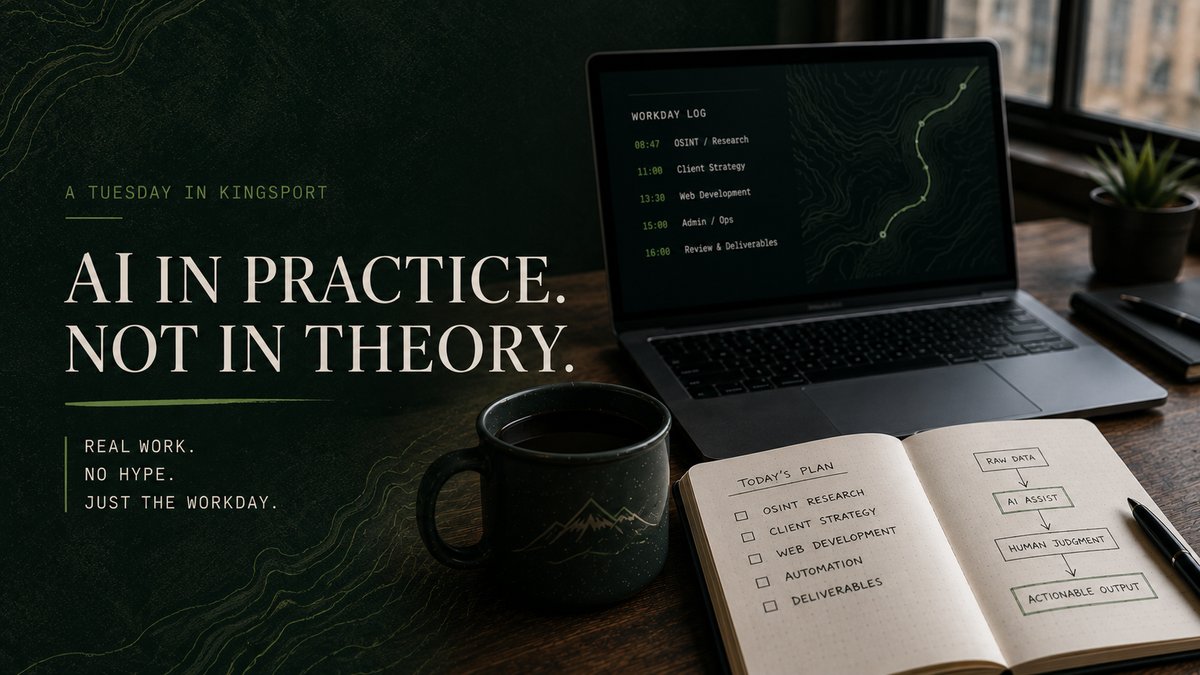
Most AI content makes it sound like the future arrives in one perfect prompt. My actual use of AI is a lot less glamorous: messy filings, broken code, bad OCR, skeptical clients, ugly spreadsheets, and a lot of human verification.

A retired detective and published author sat through a class and a half before he told me he'd written AI off completely. Then he told me what changed his mind.
The advice is always to specialize. Pick a lane. Become the expert. There are good reasons for that. Depth is real, and you can't fake it.
When someone calls and says they need a redesign, I ask what's wrong with the current site. About eight times out of ten, the answer has nothing to do with design.
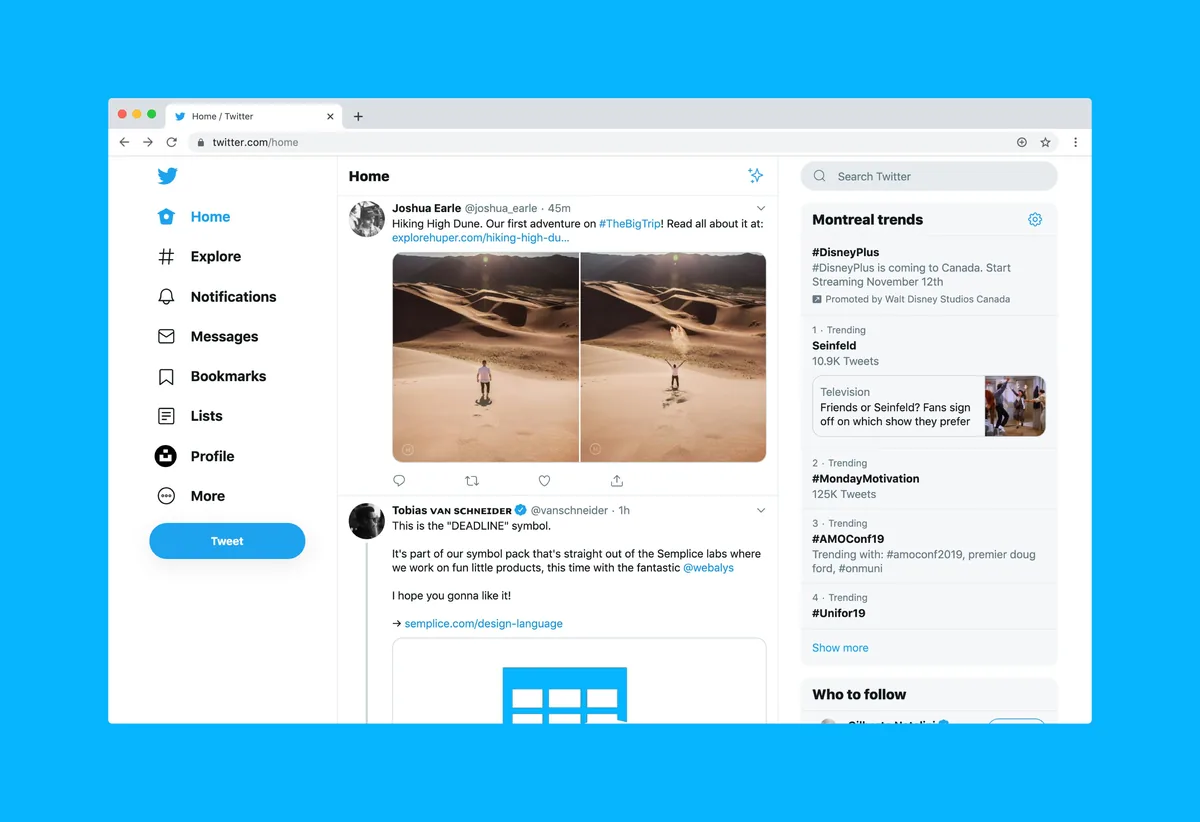
A screenshot proves one thing: that someone, somewhere, at some point, made an image that looked like that. It does not prove the post was real. It does not prove the account belongs to who the file name says it does
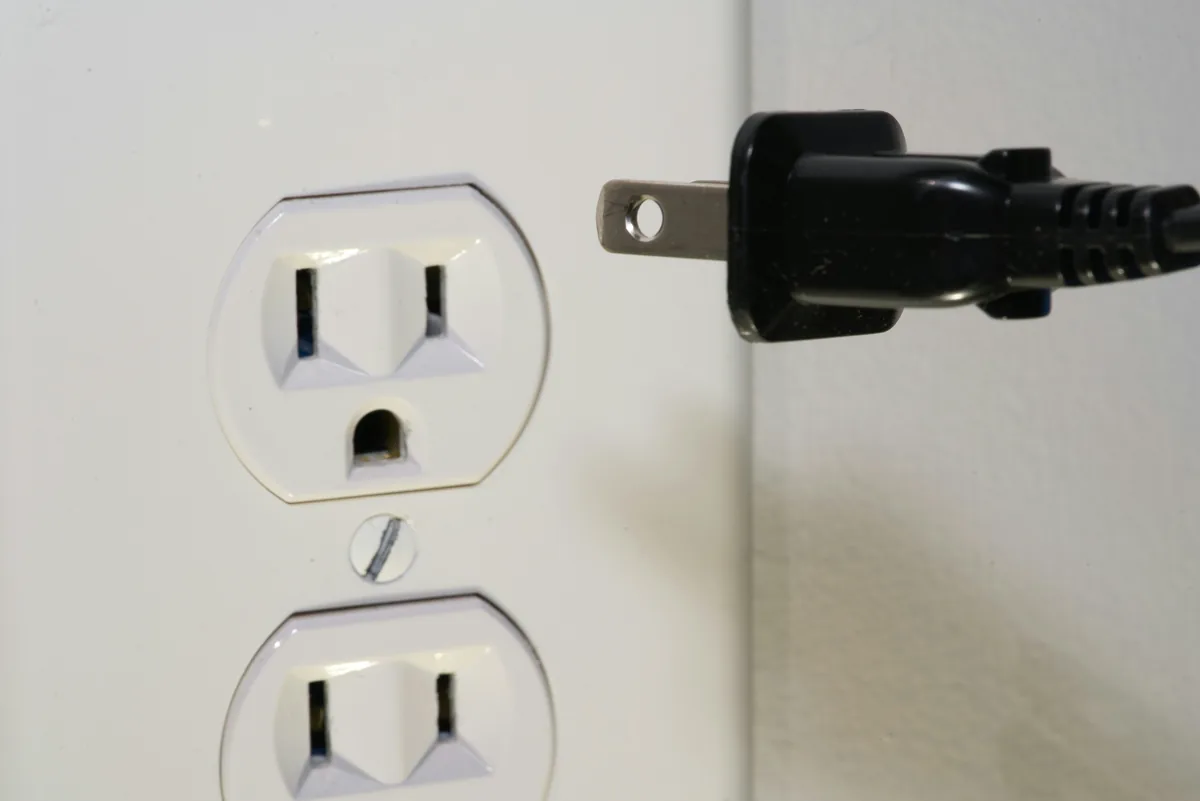
The most useful way to think about AI right now is to compare it to electricity. Electricity was a marvel when it arrived. People paid to watch lights turn on. Within a generation, nobody noticed it anymore; they just flipped a switch. The marvel had become infrastructure.
Anyone can search. Type a name into Google, hit enter, scroll. That's not investigation, that's reading. Hypothesis. A searcher types what they hope to find. An investigator works on a question and lets the evidence answer.